
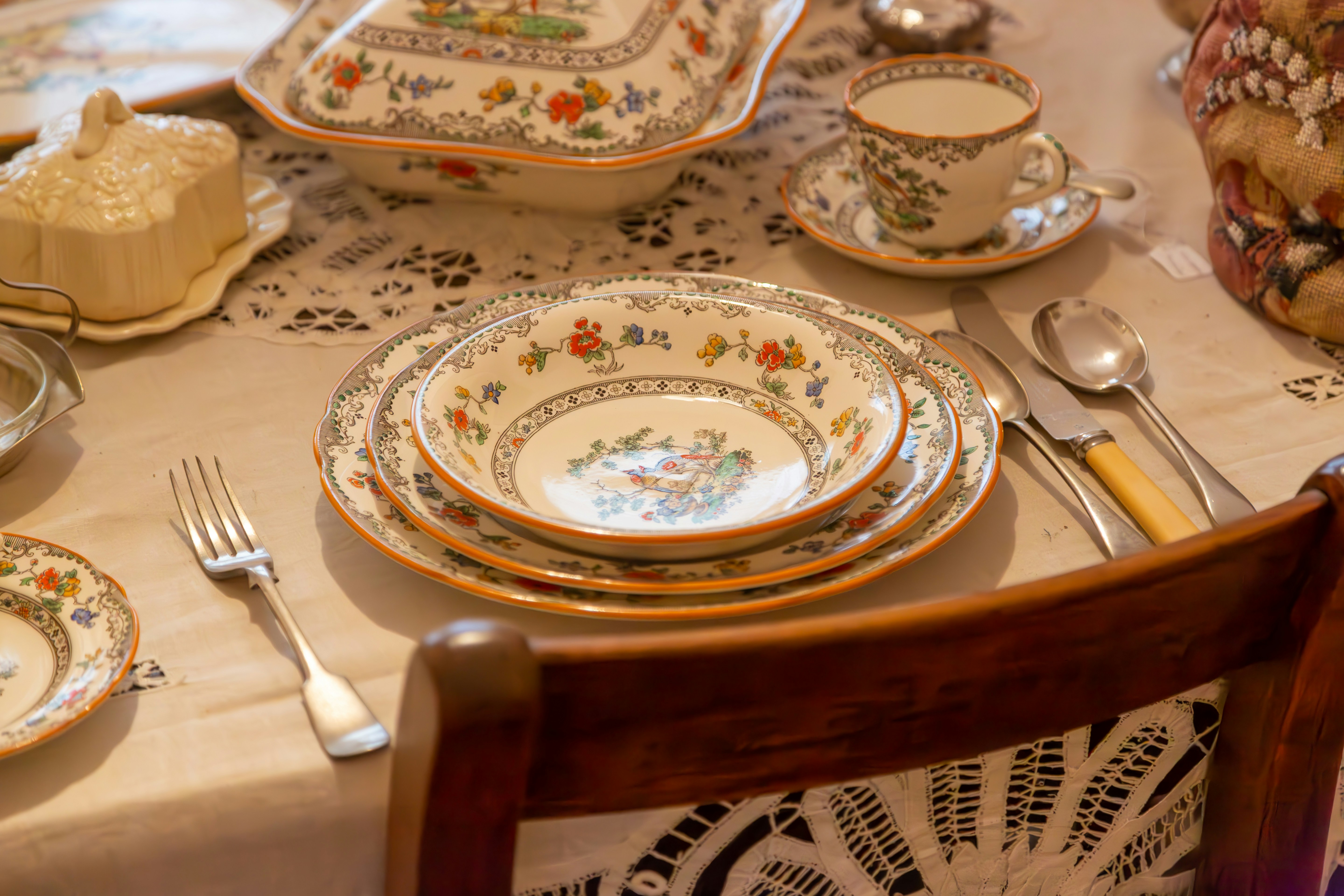
The Importance of Elegant Crockery in Dining
Elegant crockery plays a significant role in enhancing the dining experience, contributing to both the ambiance of meals and the overall impression conveyed to guests. The types of dishes, utensils, and serving pieces selected for a meal can transform an ordinary occasion into a memorable event. Whether it is a casual family dinner or a formal gathering, the choice of crockery communicates the host’s commitment to hospitality and aesthetics.
The impact of elegant crockery on ambiance is particularly noteworthy. A beautifully set table, adorned with delicately styled plates and finely crafted cutlery, can elevate the atmosphere, making it feel more inviting and special. Color, material, and design in the crockery can influence the mood of the meal; for example, vibrant and modern designs might encourage a lively, informal gathering, while classic porcelain can bring a sense of tradition and elegance to formal dinners.
Furthermore, the significance of crockery extends beyond its visual appeal. It serves practical functions, ensuring that every dish is presented in the most appealing manner possible. Properly chosen crockery complements the food served, enhancing its flavors and visual appeal. The materials of the crockery, from porcelain to ceramic and glass, can also affect the dining experience. For instance, stoneware provides a rustic charm, while fine china adds a touch of sophistication.
In different settings, elegant crockery allows the host to express their unique style and personality. A carefully curated collection can reflect one’s taste and preferences, creating a personal touch to every gathering. Additionally, seasonal or thematic crockery can enhance the dining experience, allowing hosts to celebrate specific occasions or holidays in style. In summary, the importance of elegant crockery in dining cannot be underestimated, as it enriches both the aesthetic and functional aspects of dining gatherings.
Types of Elegant Crockery: A Comprehensive Guide
Elegant crockery comes in various types, each with its unique properties and aesthetic appeal. Among the most distinguished types are fine china, porcelain, and stoneware, each catering to different styles and occasions.
Fine china is renowned for its delicacy and translucent quality, making it the epitome of sophistication in dining settings. Typically made from a combination of kaolin clay, feldspar, and quartz, fine china is often adorned with intricate patterns and gold or silver detailing. This type of crockery is most appropriate for formal dining events, such as weddings and gala dinners, where elegance is paramount.
Porcelain is another popular choice, known for its strength and durability. It is fired at higher temperatures than fine china, giving it a denser structure. The aesthetic of porcelain often features intricate designs and vibrant glazes, making it versatile for both casual and formal occasions. While it shines at upscale events, it is equally suitable for daily use, particularly in homes aiming for a sophisticated dining experience.
Stoneware is characterized by its robust nature and earthy tones. Made from a mixture of clay and minerals, stoneware is fired at high temperatures, lending it a chip-resistant quality that sets it apart from the more delicate varieties. Its rustic appearance makes it ideal for informal gatherings and family meals, providing a more relaxed yet stylish dining option.
In summary, choosing the right type of elegant crockery involves understanding the specific properties and designs of fine china, porcelain, and stoneware. Each type offers a distinctive appeal, enhancing the overall dining experience while ensuring appropriateness for various events and occasions.
Choosing the Right Crockery for Your Table Setting
Selecting the ideal crockery is an essential aspect of creating a captivating dining atmosphere. The right crockery can not only enhance the visual appeal of your table but also harmonize with the occasion’s theme. When considering which crockery to choose, several factors come into play including color schemes, size, shape, and design coherence.
Firstly, it is crucial to understand the theme of your occasion. For formal dinners, classic white porcelain sets often provide an elegant and timeless look. Conversely, for casual or festive gatherings, you might opt for vibrant colors or unique patterns that reflect the spirit of the celebration. The design of the crockery should complement the overall theme, ensuring a cohesive aesthetic that resonates with guests.
Next, consider the size and shape of the crockery. Larger plates may be suitable for a generous meal setting, while smaller, intricately designed pieces might be more appropriate for an appetizer course or dessert. The dimensions of the crockery should also align with the available space on the table. In a compact setting, having smaller plates can help maintain a clean and orderly appearance without overwhelming the dining area.
Color schemes play a vital role in selecting crockery, as they can set the tone for the dining experience. Neutral tones such as beige, gray, or soft pastels can provide a subtle backdrop that allows food to be the focal point. Alternatively, bold colors can energize the table and make it more inviting. Patterns can also be playful or sophisticated, depending on the desired atmosphere.
Lastly, ensure that the crockery design is coherent throughout the pieces. Mixing different styles might create a quirky effect, but it can also lead to a disordered appearance if not executed carefully. A harmonized set enhances visual appeal while reflecting your personal taste and style. By thoughtfully considering these factors, you can successfully choose the right crockery that complements your dining space and elevates the overall experience for your guests.
Care and Maintenance of Elegant Crockery
Elegant crockery, often chosen for its aesthetic appeal and craftsmanship, requires careful attention to ensure its longevity. Proper care and maintenance practices can preserve its beauty and functionality for years to come. To maintain your exquisite collection, it is essential to follow a few best practices.
Firstly, the cleaning process is critical. It is advisable to wash elegant crockery by hand, using a mild detergent and warm water. Avoid using abrasive sponges or cloths that may scratch the surface, as many elegant pieces are delicate. For stubborn stains, a paste made from baking soda and water can effectively lift marks without damaging the glaze. If the crockery is dishwasher-safe, ensure that it is arranged securely in the dishwasher to prevent chipping during the wash cycle.
Storing elegant crockery properly is just as important as cleaning it. Opt to stack dishes with protective padding such as felt or linen between them to reduce the risk of scratches and chips. It is best to avoid stacking larger plates on smaller ones directly to prevent undue pressure. For items that are not used frequently, consider wrapping them individually in acid-free tissue paper before placing them in storage. This will help prevent scratches and preserve the finish.
Another essential aspect of maintaining elegant crockery is to avoid sudden temperature changes. Rapid shifts in temperature can cause cracking, particularly for porcelain and ceramics. Therefore, when using them in the oven or microwave, allow the crockery to adapt to the temperature gradually. Additionally, keep items away from direct sunlight, which can fade patterns or glazes over time.
In conclusion, caring for elegant crockery involves mindful cleaning, careful storage, and protection from environmental factors. By committing to these best practices, you can ensure that your elegant crockery remains a centerpiece of your dining experience for many occasions to come.